
Always tired, with a body ache that won’t go, after 50 in Malaysia? It’s easy to write off as “just age” — but there’s often something worth checking underneath.
Summary
- “Everyday strain on the body” builds up from poor sleep, a heavy diet, and long stretches of sitting — it’s not a diagnosis, just a sign worth paying attention to.
- Three Malaysian habits feed it most: santan-heavy meals, broken sleep, and sitting most of the day.
- Two walk-in tests give a clearer picture than how you feel: cholesterol and blood sugar.
- Tiredness that doesn’t improve with rest is worth mentioning to a doctor, not just pushing through.
What’s actually behind it
Ongoing tiredness and body ache after 50 sometimes trace back to ordinary things stacking up — poor sleep, a heavy diet, or too little movement, week after week. It’s a general sign, not a specific illness. There’s no single test for it, so guessing isn’t useful.
The useful next step isn’t guessing what it is — it’s checking two numbers that a walk-in test can actually measure.
The everyday habits quietly feeding it
Three ordinary habits show up again and again in Malaysian households.
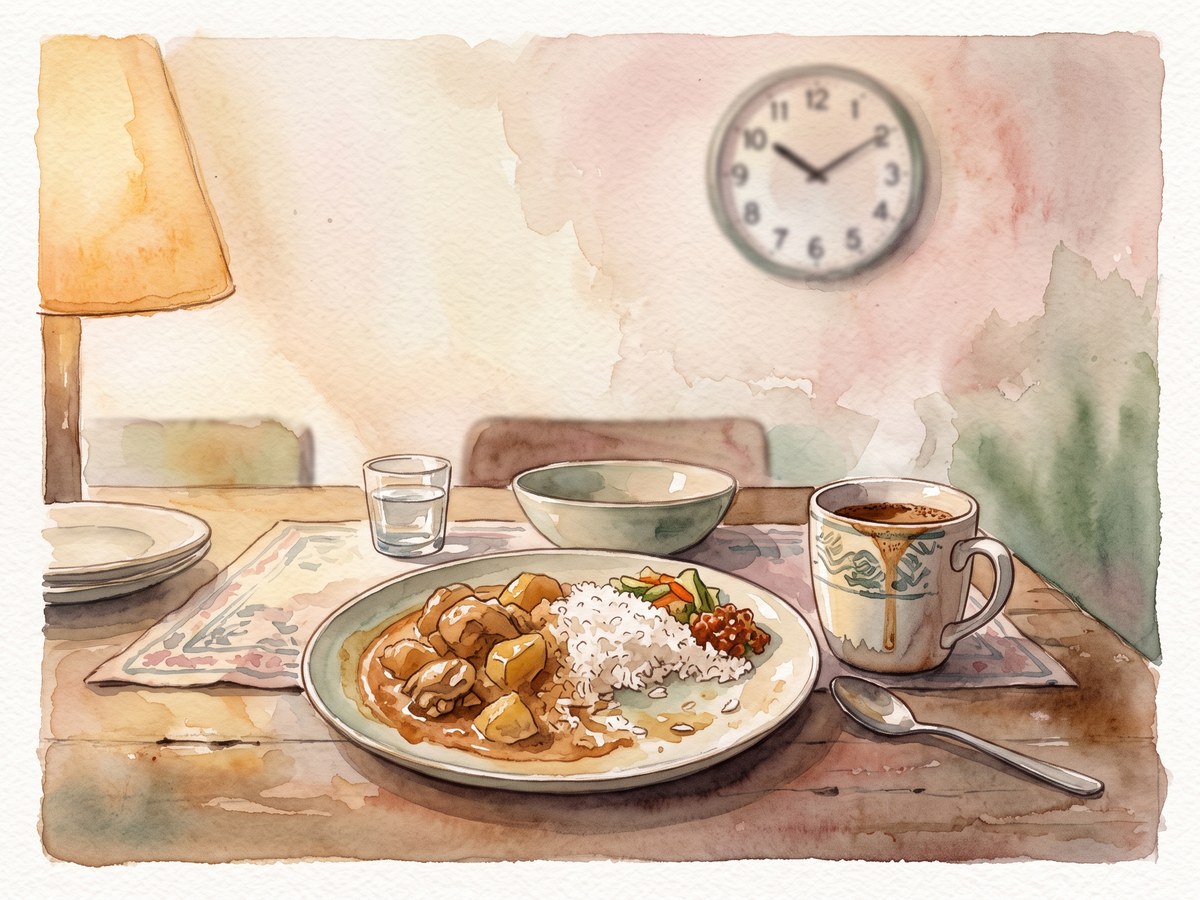
- Santan-heavy meals, most days. Rich curries and nasi lemak are worth keeping as occasional treats, not a daily default.
- Broken sleep. Late nights and early starts add up over weeks, not just after one bad night.
- Sitting most of the day. Desk work and a long commute both count — sitting less matters even without a gym membership.
None of these is about willpower. Small, repeatable changes matter more than one big overhaul — an earlier bedtime twice a week, a short walk after dinner, rice with less santan on weekdays.
The numbers worth checking
Two walk-in tests give a clearer picture than how you feel day to day: cholesterol and blood sugar.
- Cholesterol (full lipid panel). One finger-prick test, walk in any time, pricing on request.
- Blood sugar. Same finger-prick format, especially worth doing if it’s been over a year.
Both are explained by the pharmacist on the spot — what your numbers mean, and what’s worth raising with your doctor. These numbers don’t diagnose tiredness on their own; checking them is simply a sensible habit at this life stage, tiredness or not. Some people ask the pharmacist about omega-3 or antioxidant supplements once their numbers are in — a fine conversation to have, but not a substitute for checking first.
📍 Essen Pharmacy · 3, Jalan Kuning 2, Taman Pelangi, Johor Bahru · Mon–Sat 9am–8pm · Sun 9am–6pm · 012-788 4057 · 2-minute walk from Plaza Pelangi.
Important note. This post is general health education, not a medical diagnosis. “Everyday strain on the body” is a lifestyle concept, not a clinical condition, and walk-in screenings are an early step, not a replacement for your doctor’s care. If tiredness or aches persist, please follow up with a doctor.
FAQ
Is feeling tired all the time normal after 50?
Some tiredness is common, but if it doesn’t improve with rest, or comes with ongoing aches, it’s worth checking rather than assuming it’s just age.
What blood test checks for this?
There isn’t one single test for it — that’s the point. The two useful walk-in tests are cholesterol and blood sugar, both available at the counter, and both worth checking as a general habit either way.
Can supplements help with tiredness?
Some people find it worth asking the pharmacist about omega-3 or antioxidant supplements, but they’re not a substitute for checking your numbers first.
When should I see a doctor instead of just resting more?
If tiredness lasts more than a few weeks, comes with unexplained weight change, or a walk-in number comes back high, it’s time for a doctor’s visit.